

“Billions of people have gained access to clean and safe drinking water since 1990, but data show that huge inequalities remain” – The Guardian –
Developing a source for safe drinking water is of course the basic, essential first step.
Improved water access is important; however let’s not forget the second part of the challenge; reducing water hauling and related social/economic issues.
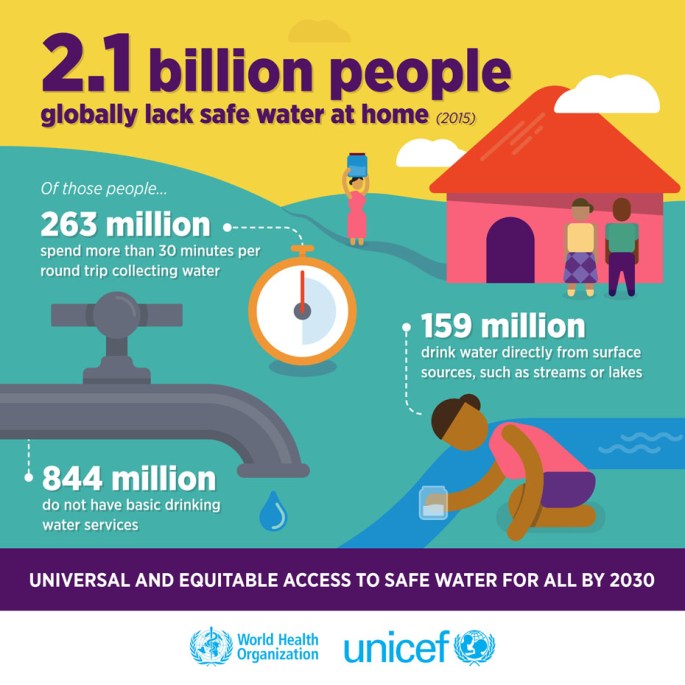
2.1 billion lack safe water at home.
It is commonly agreed that in order to reduce poverty in developing countries one of the keys for success is to make safe drinking water available AND accessible. Water fetching, hauling or transporting is a major concern… simple solutions for this challenge typically consist of improving ways to haul water. We celebrate, rightfully, the first step of installation of a safe drinking water source in a community, but we have not taken the necessary second step of expanding distribution systems to allow or promote Improved Access to Water.
“Let’s illustrate the size of the challenge: there are 2.5 billion people without access to sanitation, 750 million without clean water, at least a billion who defecate in the open, and appalling levels of breakdown and failure of existing infrastructure. What is often forgotten is the projection that the world will have an additional 1.5 billion people by 2030 and almost all of them in the developing world. All this is estimated to cost about $47bn a year, according to the World Bank.” – The Guardian –
Recommended Reading:
The performance of piped water systems versus handpumps in rural growth centres
UN World Water Development Report
 Reserved Water Storage